
creator economytrendssocial media
What the Creator Economy Looks Like in 2026
What changed in how creators earn money in 2026: direct monetization, owned audiences, and why a distinct voice matters more as feeds fill with AI content.
Read more
Tips, strategies, and insights to help you grow your social media presence and turn followers into revenue.
What changed in how creators earn money in 2026: direct monetization, owned audiences, and why a distinct voice matters more as feeds fill with AI content.

A social media audit you can finish in one sitting: account inventory, profile pass, 90 days of content, a link check, and a short decision list.
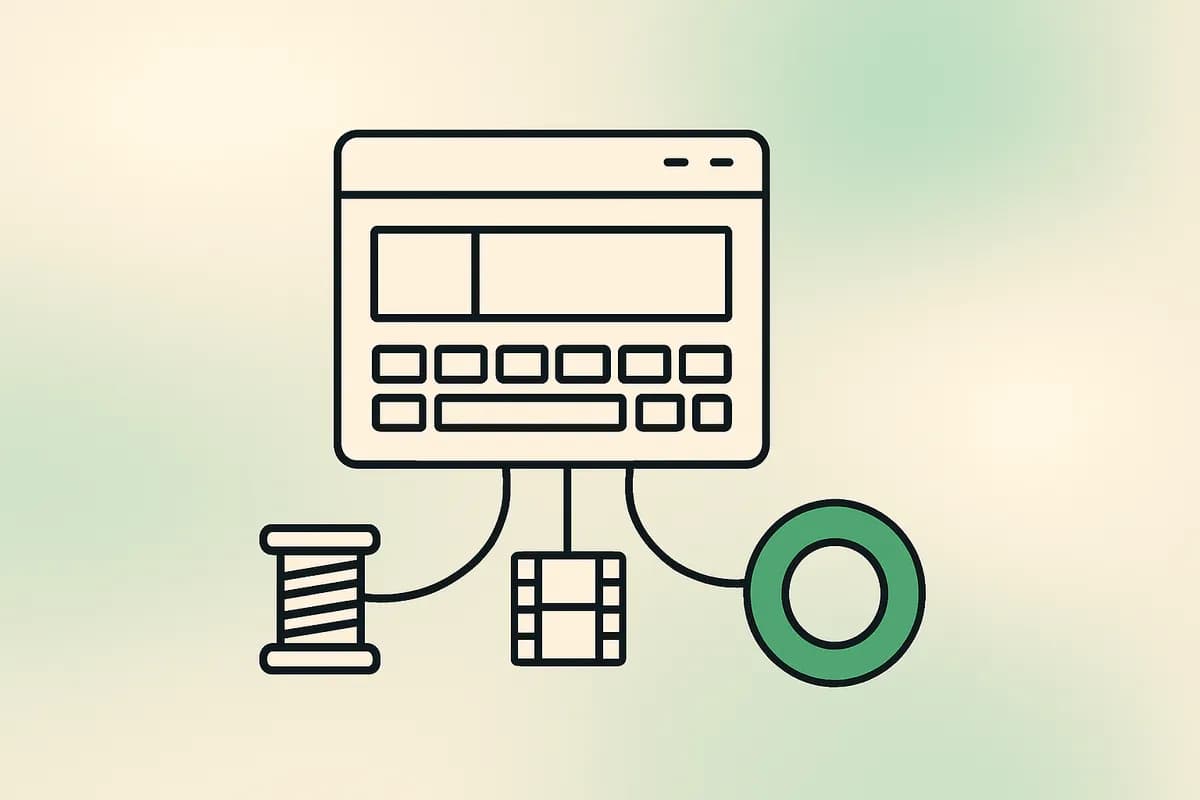
How I schedule threads, Reels, Shorts, and Stories across eight platforms from one Planpost composer, and where one composer for everything has limits.

Bottega Veneta, Lush, and Apple post far less than the standard advice says they should. What their quiet feeds prove, and how to test posting less.
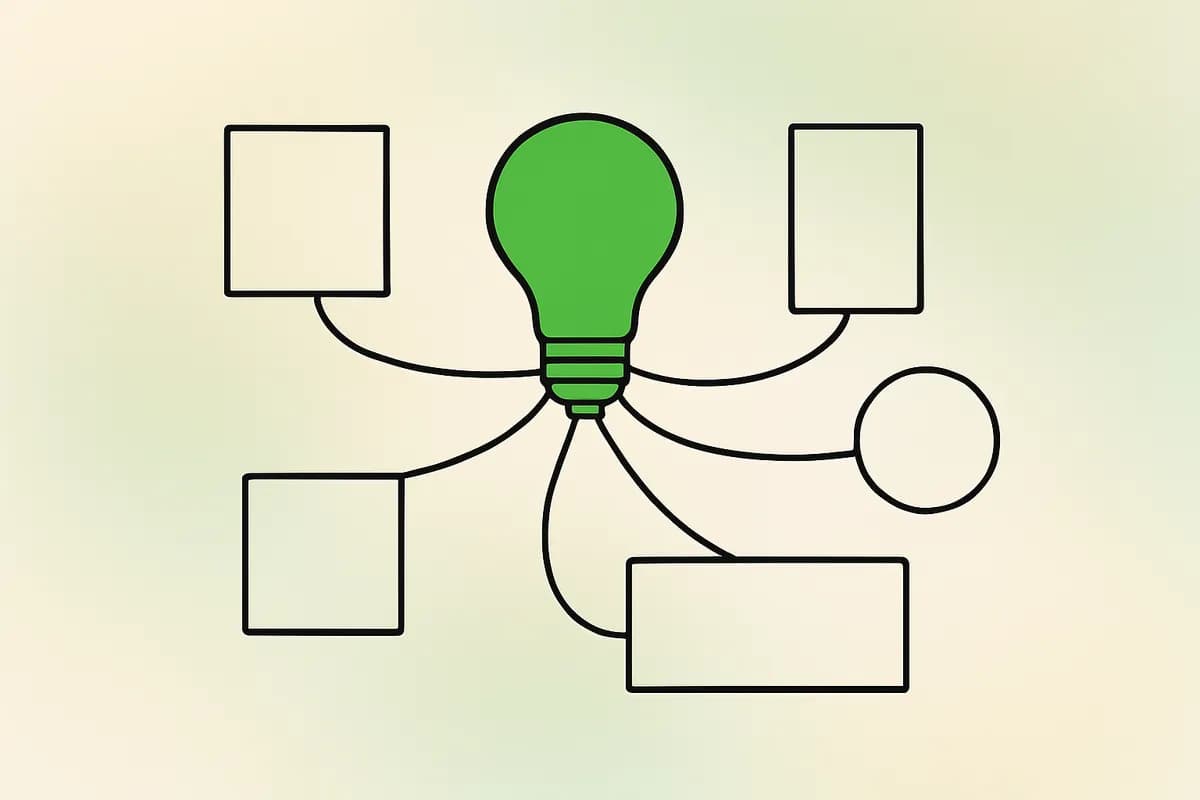
A working system for turning one idea into native posts for eight platforms: extract the claim, adapt the format, stagger the rollout, score the results.
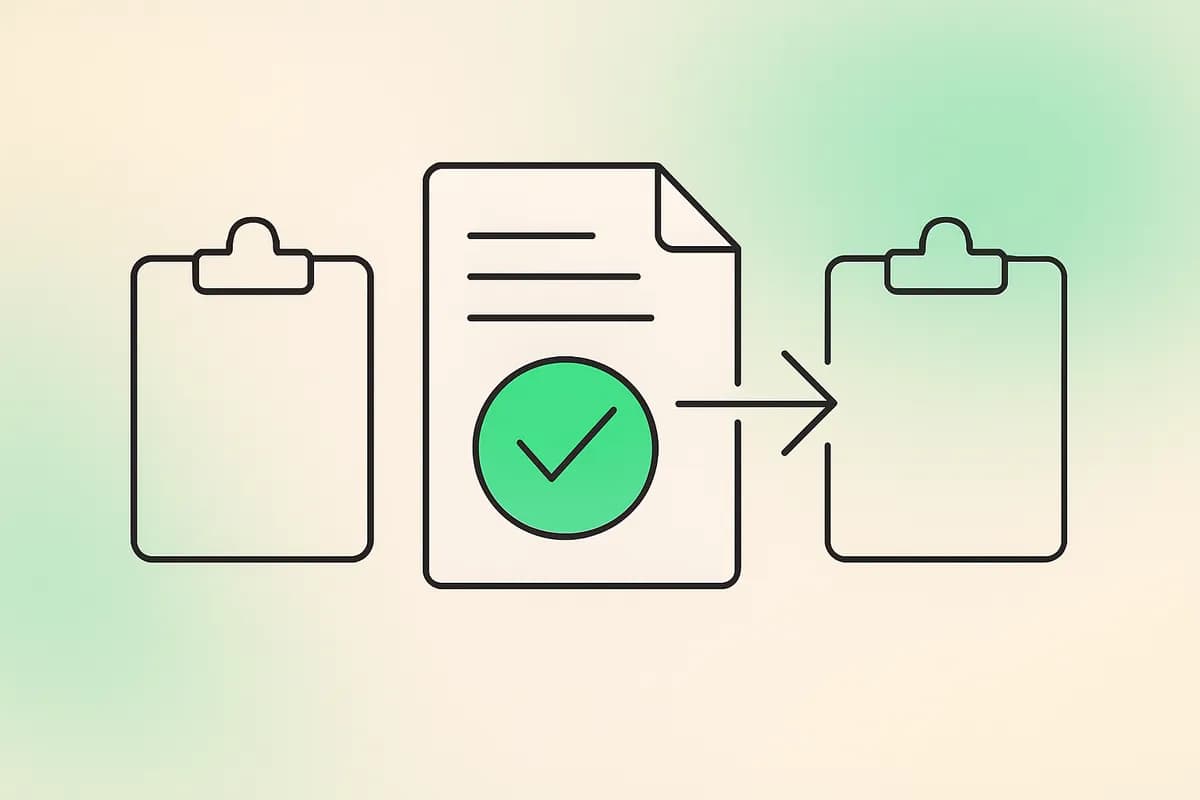
How Planpost approvals work: submit a post, send the client one link, they review without an account, comment in context, and approve or reject.

Organic reach keeps sliding on every platform. What is driving the decline, and what small teams should do about it instead of just posting more.
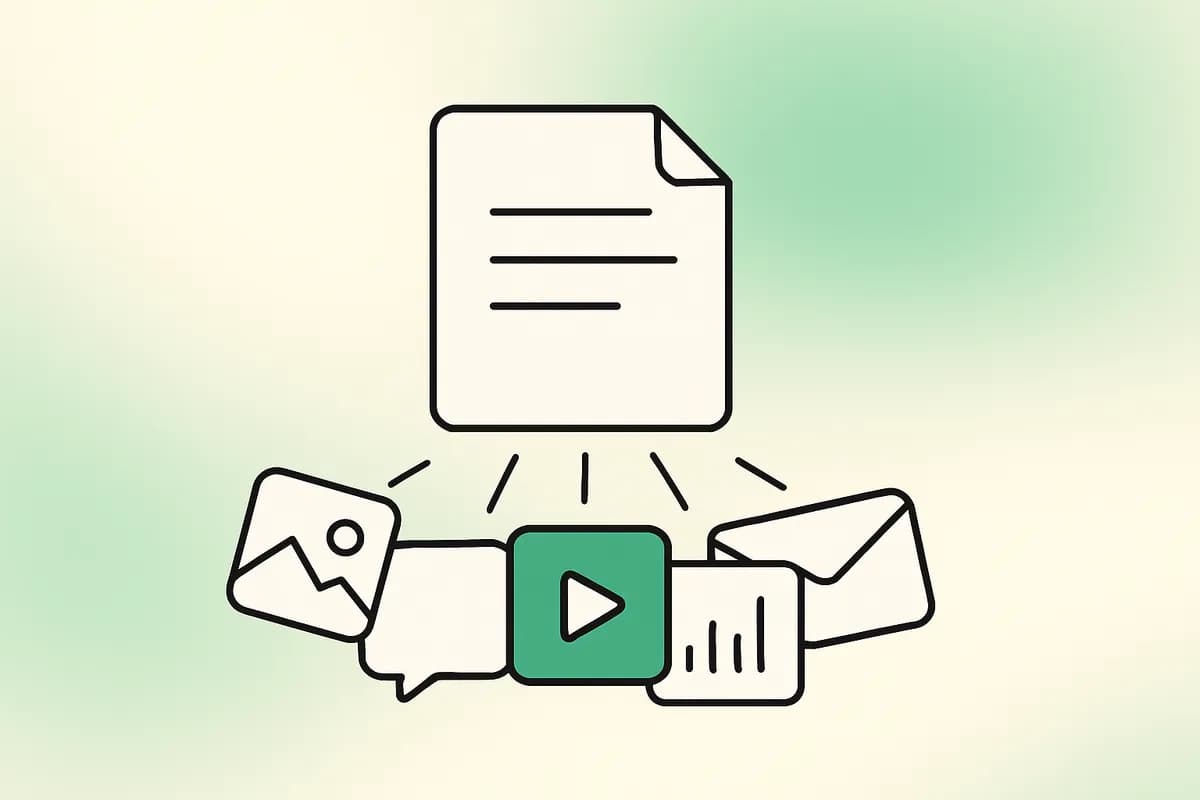
A practical system for turning one blog post, video, or podcast episode into a week of platform-native social posts without repeating yourself.

Five posting patterns I keep seeing from B2B brands that do well on LinkedIn: formats, cadence, founder profiles, and what you can copy this week.
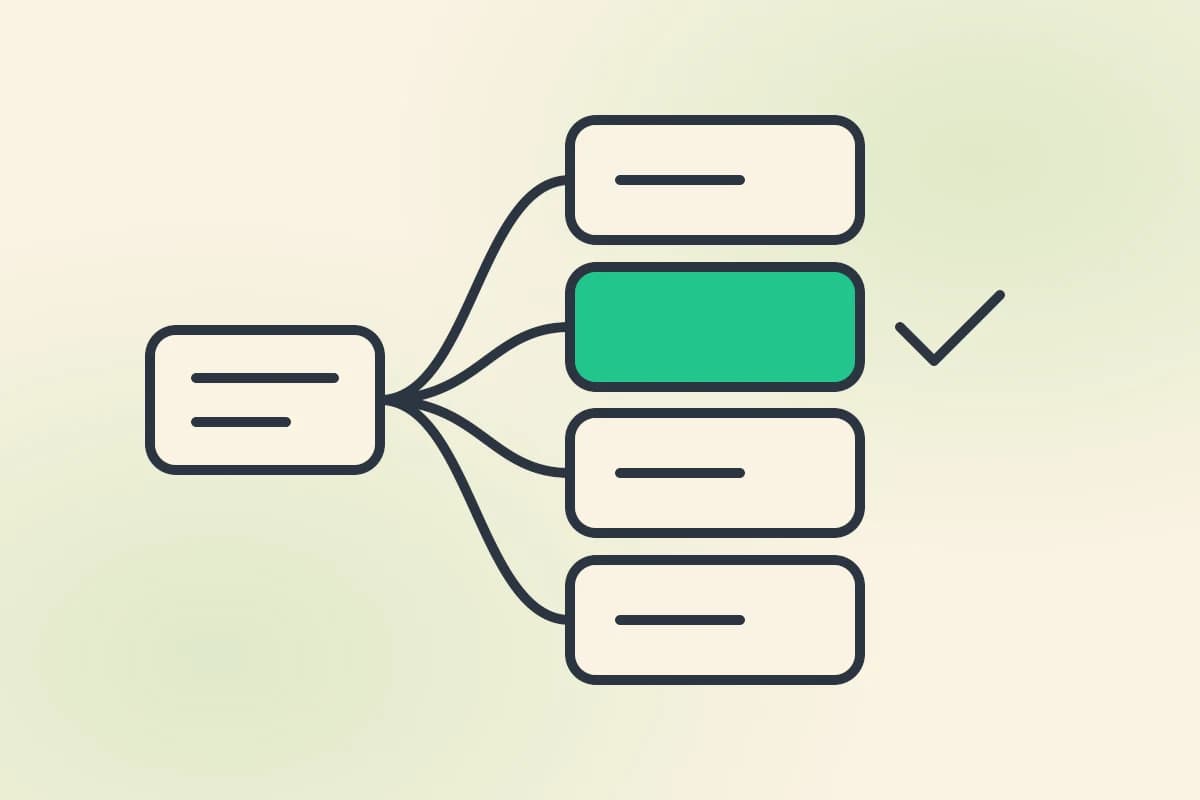
Fourteen Loomly alternatives sorted by the reason people actually leave, from the jump to $249 a month to wanting approvals, better analytics, self-hosting or an AI agent. With real prices, checked against each vendor's own page.
A mid-year read on social media in 2026: agents doing the boring middle, the text platform revival, quieter link behavior, and brands posting less.
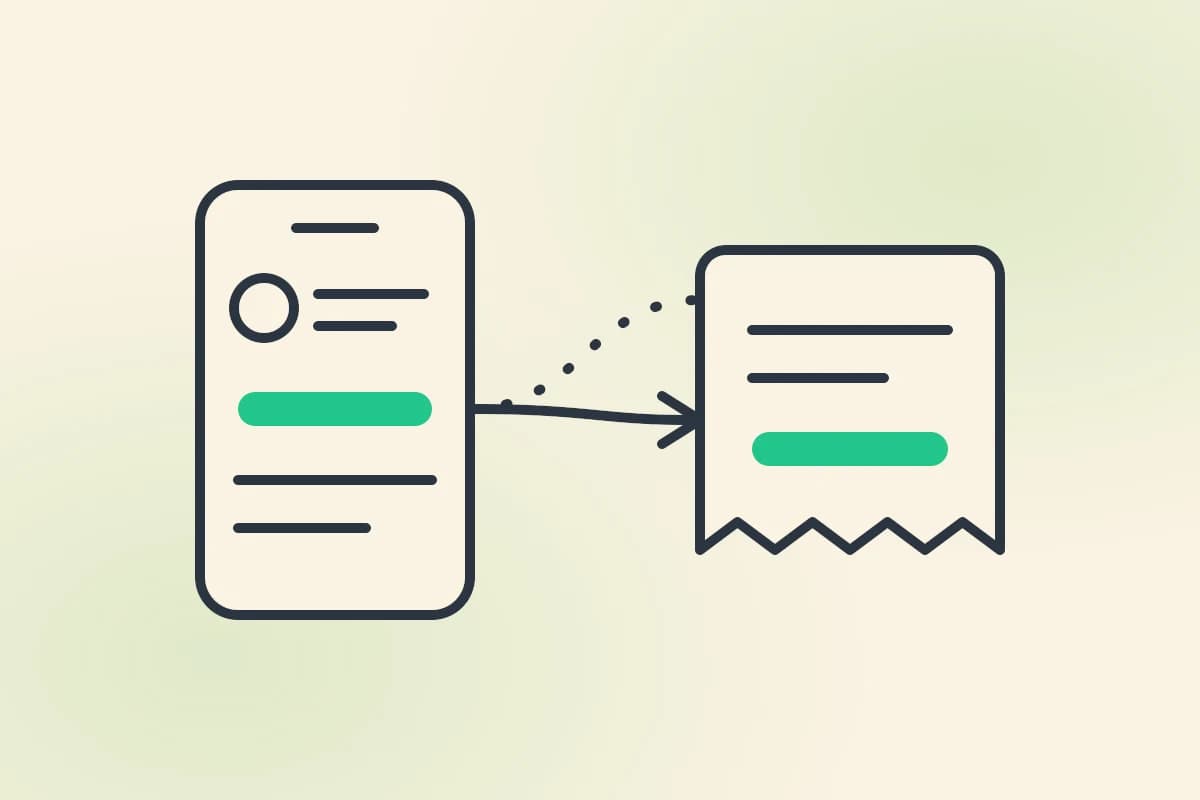
Instagram is the platform where tracked links break down, because feed captions are not clickable. Here are the surfaces that do carry a link, the three ways to work around the ones that do not, and what the numbers can honestly tell you.
How I schedule a week of social posts by talking to Claude: the Planpost MCP server, what the agent handles, and where a human still has to show up.
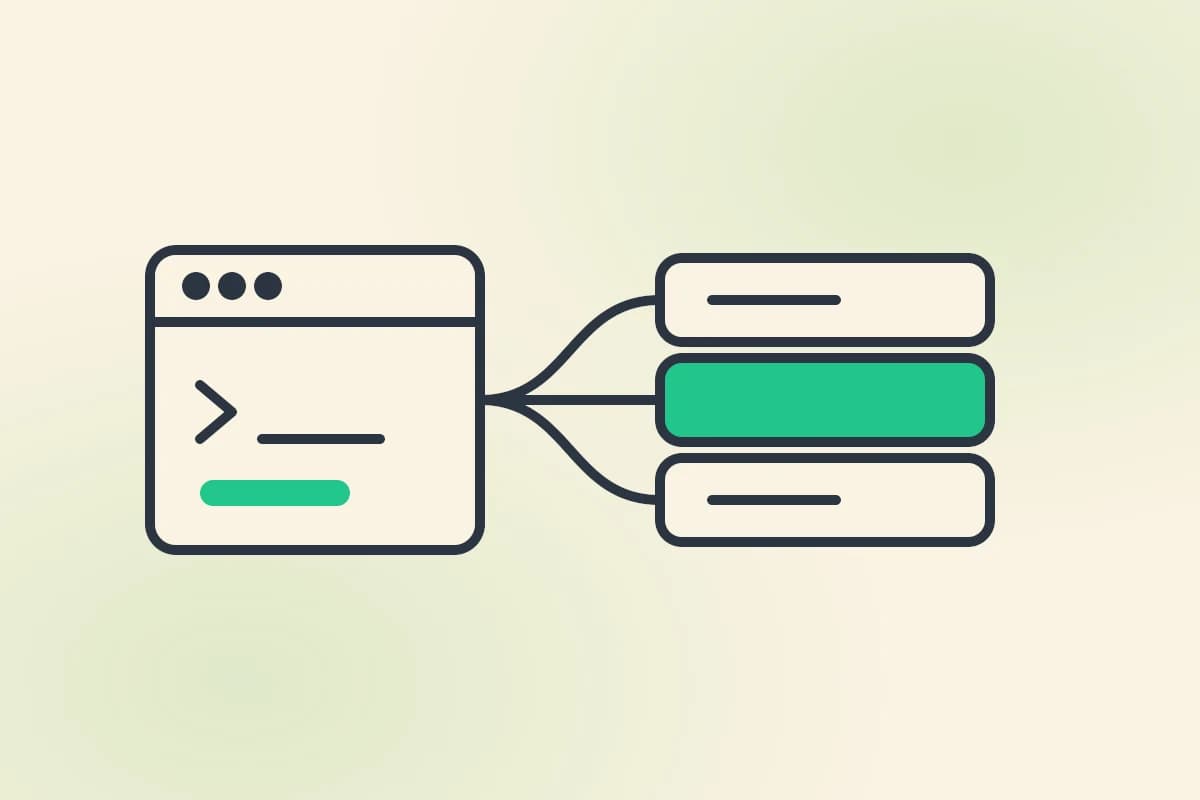
A working walkthrough of connecting an MCP server to Google's Gemini CLI, both from the command line and by hand in settings.json, including the transport key that silently breaks remote servers.
A four hour plan for building a social media content calendar that survives contact with real life: topics, cadence, two weeks of posts, all scheduled.
What you can copy from Duolingo's public social playbook without a mascot budget: character, comments, speed, and bits that run longer than one post.
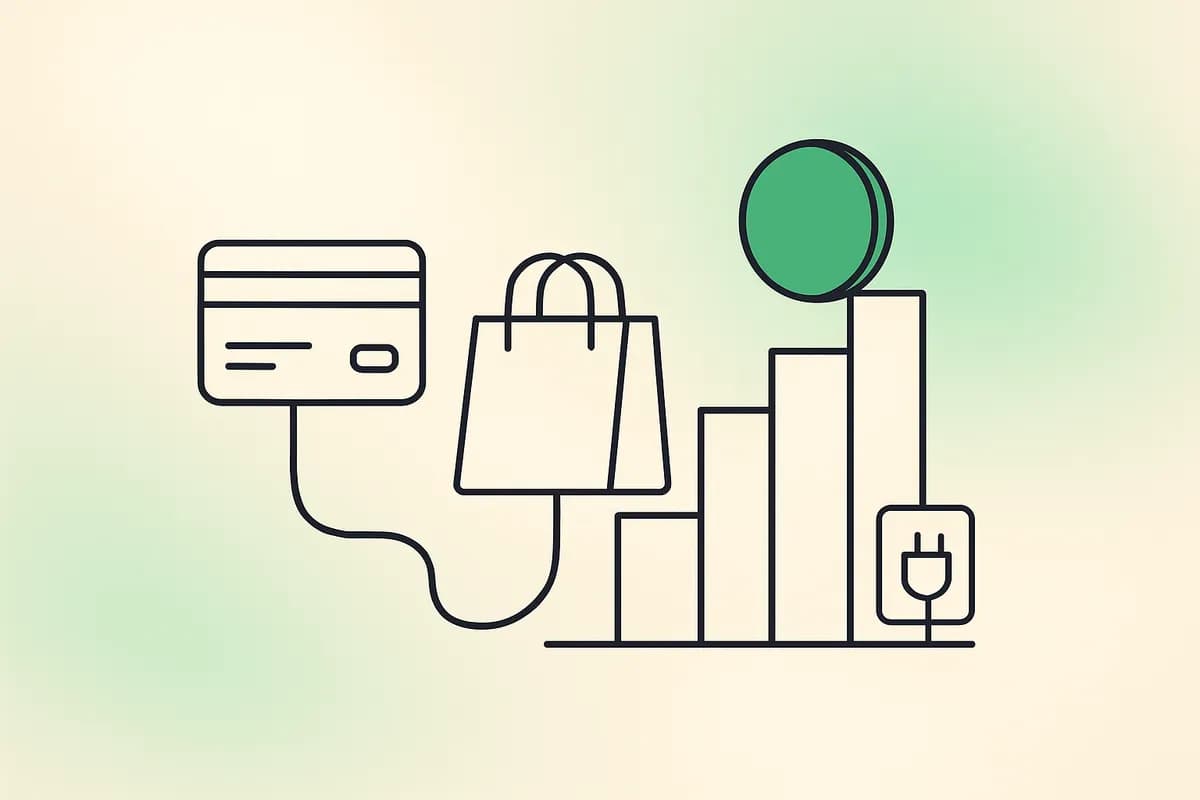
How Planpost ties social posts to actual revenue using tracked short links, UTM tags, and Stripe and Shopify webhooks, with honest notes on the limits.
What it takes to hand your posting calendar to an AI agent: the three pieces you need, the prompts that work, the guardrail to set first, and the parts of the job agents still get wrong.
What the published frequency studies actually recommend per platform, how much evidence sits behind each number, and how to pick a cadence you can still hold in six months. Includes newsletters, and what to do when you miss a week.
Once posts are tracked, the hard part is judging what the numbers mean: which attribution model to read, what counts as revenue, how long to wait before calling a winner, and why the total is always lower than the truth.
Learn a clean UTM naming system for social media campaigns, and how direct tracking links make post-level revenue attribution easier.
Learn how to schedule social media posts across Instagram, LinkedIn, X, Facebook, YouTube, and TikTok while tracking which content drives clicks, conversions, and revenue.
Learn which social media analytics matter, how to compare engagement with business results, and how to connect posts to clicks, conversions, and revenue.